Hasanat Kamal
আপডেট: ০৪:২৪, ১১ জানুয়ারি ২০২৬
Journalist Repression Throughout the Year
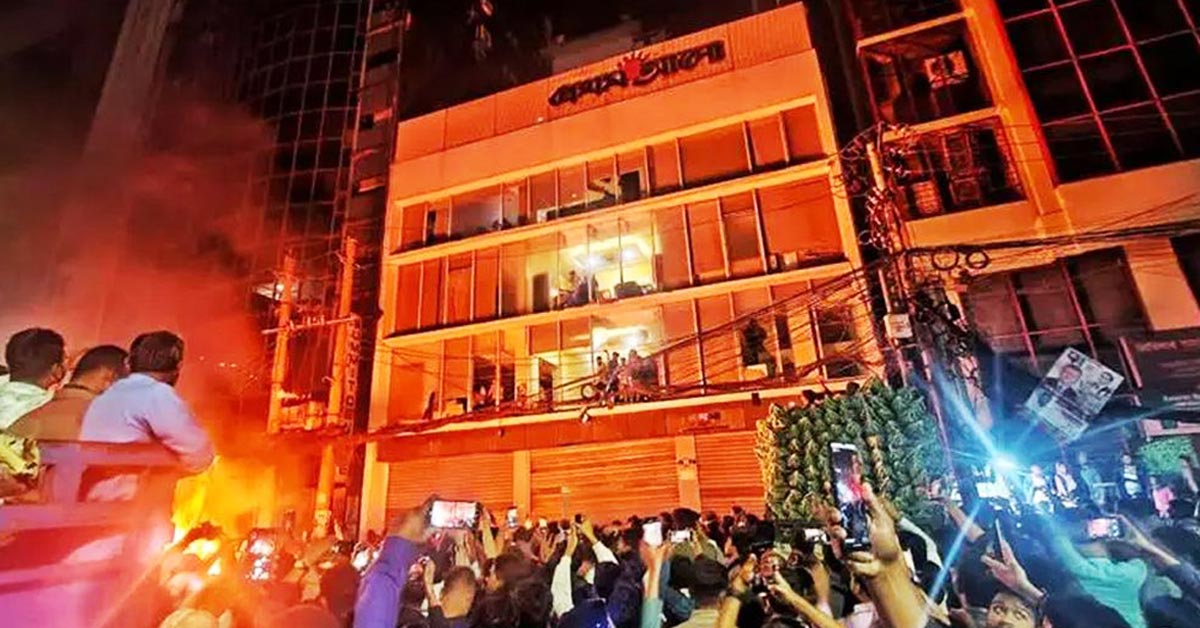
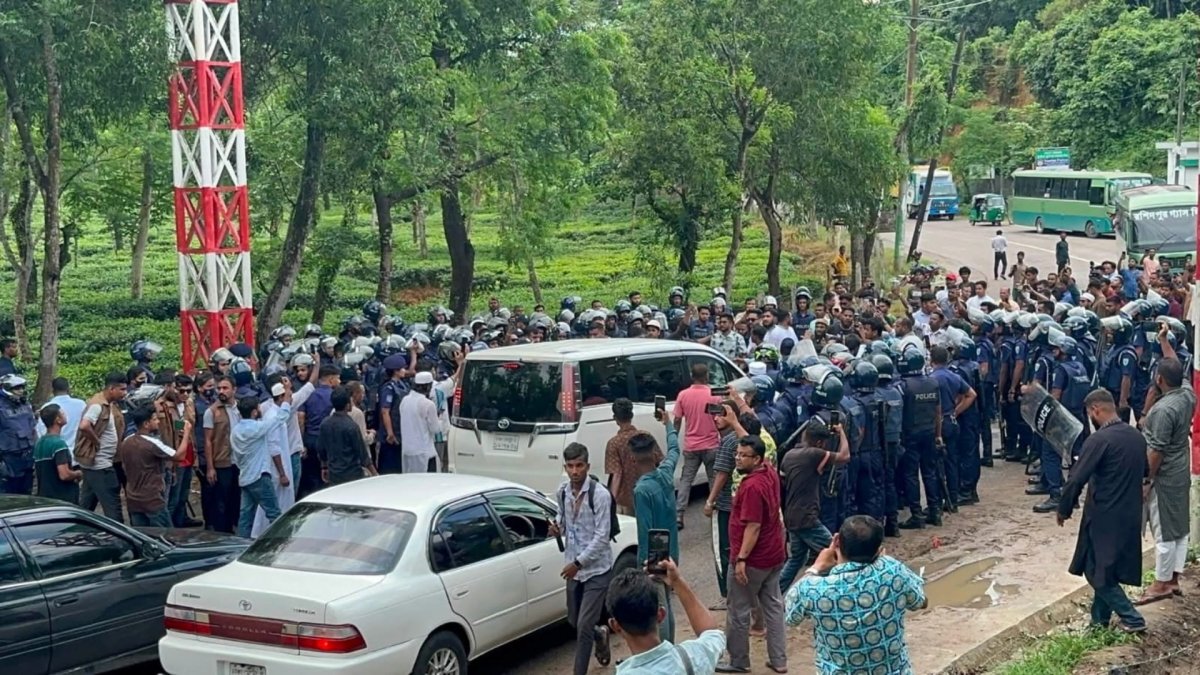
Journalists in Bangladesh have increasingly faced false cases and mob violence in recent times. For years, they have been subjected to attacks and threats by state law enforcement agencies, criminals, and drug traffickers. Recently, the offices of two leading national dailies, Prothom Alo and The Daily Star, were attacked and set on fire. In several incidents of mob violence, journalists received no protection even after informing the police. Instead, in some cases, journalists themselves were charged under the Anti-Terrorism Act and sent to court.
In 2025, attacks, lawsuits, arrests, and killings of journalists in Bangladesh reached alarming levels. Media institutions themselves have also become direct targets. Incidents of vandalism, looting, and arson at the offices of Prothom Alo and The Daily Star marked a dangerous escalation.
According to the annual report of human rights organisation Ain o Salish Kendra (ASK), at least 381 journalists faced various forms of repression and harassment while performing their professional duties over the past year. Perpetrated by both state and non-state actors, this repression has severely narrowed the country’s democratic space and press freedom.
International organisations including the Committee to Protect Journalists (CPJ) and Reporters Without Borders (RSF) have expressed deep concern over the situation, alongside local monitoring groups.
Statistics on Journalist Repression
Data from ASK’s documentation unit shows that between January and December 2025, three journalists were killed and the bodies of four others were recovered under mysterious circumstances. Among those targeted, 118 journalists were physically attacked and 20 received death threats. At least 123 journalists faced legal cases over their reporting.
Geographically, Dhaka recorded the highest number of victims with 92 journalists affected, followed by Chattogram with 53, Gazipur and Rangpur with 21 each, and Barishal with 12.
Legal Harassment and High-Profile Arrests
The report highlights a growing trend of using the Anti-Terrorism Act against journalists. The arrest and remand of veteran journalist Anis Alamgir drew nationwide criticism. After he criticised the government on social media and television talk shows, members of the Detective Branch arrested him and filed a case under the Anti-Terrorism Act, accusing him of “propaganda to reinstate the Awami League.”
Similarly, former National Press Club president Shawkat Mahmud was arrested in September in connection with a sabotage case, which many observers believe to be politically motivated.
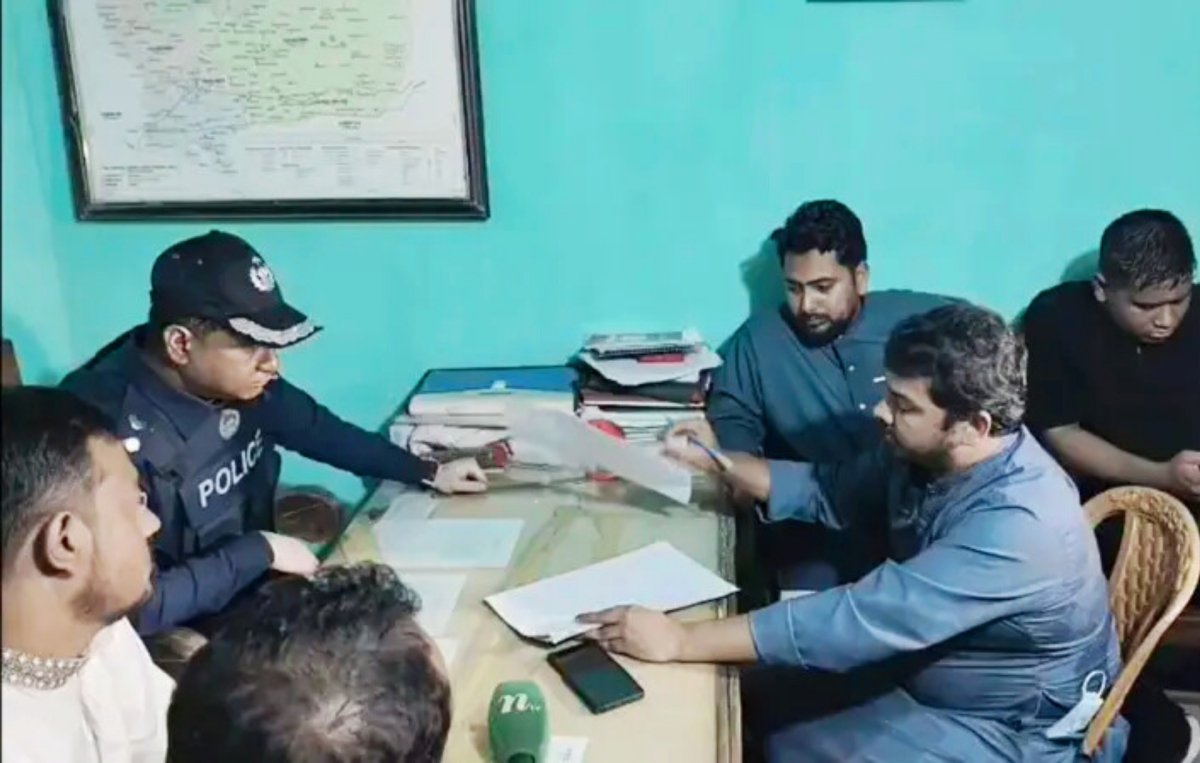
On 28 August last year, during a roundtable discussion at the Dhaka Reporters Unity (DRU), a group entered the auditorium with a procession, tore down banners, and detained participants including Dhaka University law professor and political analyst Sheikh Hafizur Rahman Karzon and journalist Manjurul Alam Panna. Later, at least 16 individuals were handed over to police and charged under the Anti-Terrorism Act.
Mob Violence and Job Losses
This year also saw the rise of “mob culture” as a tool to exert pressure on the media. Following questions raised at a press conference of the cultural affairs adviser on 28 April, three television journalists were targeted through incitement on Facebook and other platforms. Under threats of a “March to Office” programme, Dipto TV, Channel i, and ATN Bangla were forced to terminate the journalists’ employment.
Earlier, on 31 October 2024, Bangladesh Television dismissed all 64 district correspondents simultaneously.
After the July mass uprising, at least 137 journalists were named as accused in 32 criminal cases across Dhaka, Chattogram, and other districts, with several charged under the Explosives Act.
Observations and Recommendations
ASK adviser Mabruk Mohammad said attacks on journalists and mob violence against media houses have reached extreme levels. Since 2024, both the number and nature of such incidents have become unprecedented. He stressed the need to recognise attacks on journalists as a distinct crime and ensure speedy trials and exemplary punishment.
Despite the formation of a government committee to monitor harassment cases against journalists, legal repression has continued, becoming part of a structural pattern that threatens transparency and accountability.
CPJ and RSF have also noted that Bangladeshi journalists are working in an increasingly hostile environment. RSF reported that six journalists killed during the 2024 uprising have yet to receive justice, reinforcing a culture of impunity.
EN/HK





- বেইলি রোডে আগুন : ৩ জন আটক
- এই নৌকা নূহ নবীর নৌকা: সিলেটে প্রধানমন্ত্রী
- 'জাতীয় মুক্তি মঞ্চ' গঠনের ঘোষণা
- কাল থেকে যেসব শাখায় পাওয়া যাবে নতুন টাকার নোট
- এক বছরেই শক্তি, ক্ষিপ্রতা জৌলুস হারিয়ে 'হীরা' এখন বৃদ্ধ মৃত্যুপথযাত্রী
- ওয়াহিদ সরদার: গাছ বাঁচাতে লড়ে যাওয়া এক সৈনিক
- ভারতবর্ষে মুসলিম শাসনের ইতিকথা (প্রথম পর্ব)
- এবার ভাইরাস বিরোধী মাস্ক বানিয়ে বিশ্বকে তাক লাগিয়ে দিলো বাংলাদেশ
- মায়েরখাবারের জন্য ভিক্ষা করছে শিশু
- ২৫ কেজি স্বর্ণ বিক্রি করল বাংলাদেশ ব্যাংক